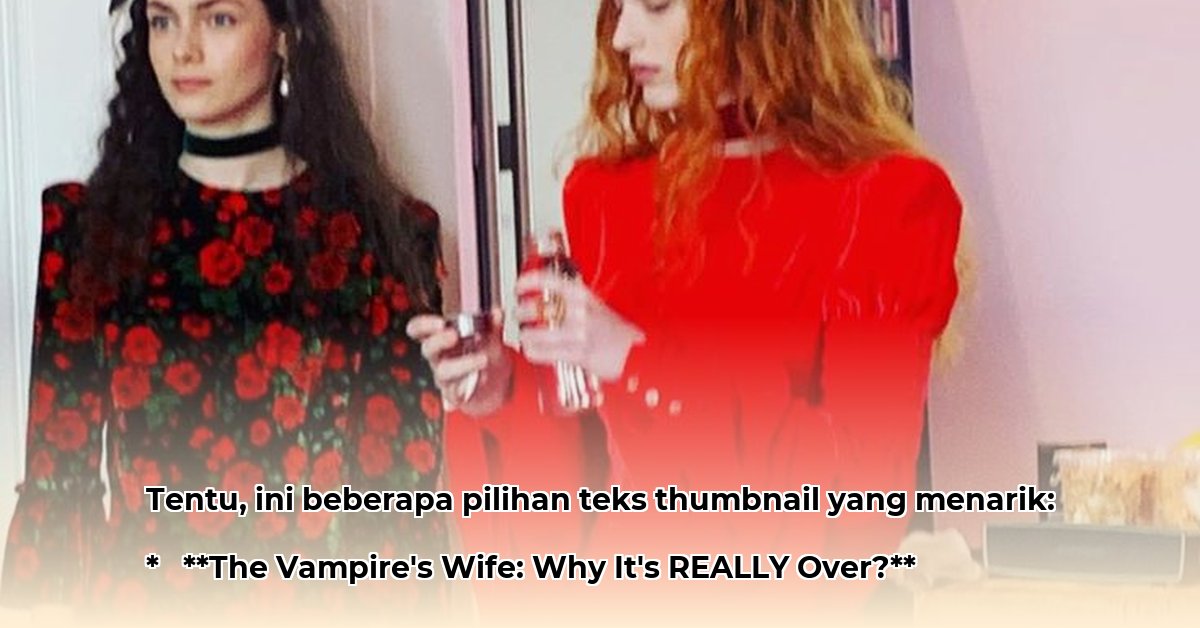
The Vampire's Wife Shutting Down: An Indie Brand Survival Guide
August 23, 2025 · 5 min · 862 words · Mary Defosses
# The Vampire's Wife Shutting Down: An Indie Brand Survival Guide

The fashion world is reeling from the news that The Vampire's Wife, renowned for its romantic and vintage-inspired dresses, is closing. This closure serves as a stark reminder of the challenges faced by independent fashion labels in today's competitive landscape. What lessons can be learned from this, and how can the industry support indie brands moving forward? This article provides a structured analysis with actionable takeaways, aiming to be an indie brand survival guide.
## Analyzing the Closure of The Vampire's Wife

The Vampire's Wife, a label beloved by celebrities and fashion enthusiasts alike, built a strong brand identity around its signature aesthetic. Despite this, the brand succumbed to pressures that plague many independent companies. Understanding the reasons behind the closure is crucial for creating a more sustainable future for indie fashion. A key question for sustainable indie businesses is [how to support indie designers]. Some designers achieve [financial success](https://hi-rez-studios-net-worth.pages.dev).

### The Wholesale Challenge and Economic Headwinds

One significant factor contributing to the struggles of The Vampire's Wife, and many other independent brands, lies in the complexities of the wholesale market. These brands often rely on partnerships with boutiques and department stores to reach a wider audience, but the terms of these agreements can be unfavorable, squeezing profit margins. According to research, wholesale agreements can take up to 60% of designer revenue.

Furthermore, global economic events, such as Brexit and the COVID-19 pandemic, have introduced considerable disruptions, impacting supply chains, increasing production costs, and altering consumer spending habits. Smaller fashion houses, operating with limited resources (primarily financial), are particularly vulnerable to these economic storms.

### Learning from The Vampire's Wife's Demise: A Call to Action

The closure of The Vampire's Wife highlights a systemic issue: the ongoing struggle for independent companies to thrive amidst the dominance of fast-fashion giants and fluctuating economic conditions. The brand's distinctive feminine aesthetic wasn't enough to overcome these wider systemic pressures. This raises the question: What can be done to prevent other independent brands from meeting a similar fate?

Here are some tangible actions that can be taken, outlined to create a more sustainable future for indie fashion, as it presents a "what next" moment for the industry. It underscores the necessity for the fashion world to adapt in order to better support creativity, and ethical principles.

### Actionable Strategies for Supporting Indie Fashion

The following table outlines specific steps that stakeholders in the fashion industry can take to support independent brands, ensuring their survival and fostering a more diverse and sustainable ecosystem.

| Stakeholders          | Immediate Actions (Within a Year)                                                                                                                                                                                                                                                          | Long-Term Strategies (3-5 Years)                                                                                                                                                                                                                                                                                                                                    |
| --------------------- | ------------------------------------------------------------------------------------------------------------------------------------------------------------------------------------------------------------------------------------------------------------------------------------------- | ----------------------------------------------------------------------------------------------------------------------------------------------------------------------------------------------------------------------------------------------------------------------------------------------------------------------------------------------------------------------------- |
| Independent Designers | Diversify Revenue Streams: Move beyond wholesale by embracing direct-to-consumer (DTC) sales through online platforms. Explore collaborations with complementary brands and cultivate engaged online communities. Consider alternative funding models like crowdfunding. | Build Resilient Supply Chains: Prioritize strong, reliable, and ethical supplier relationships for long-term stability. Embrace Sustainability: Integrate eco-friendly production practices to appeal to conscious consumers. Advocate for Fair Pricing: Push for industry changes that ensure fair compensation for designers' creative work. |
| Retailers             | Re-evaluate Wholesale Agreements: Ensure wholesale agreements are equitable and beneficial for both retailers and designers. Highlight Brand Stories: Showcase the unique narratives and craftsmanship behind independent brands to connect with consumers on a deeper level. Invest in technology to promote sustainability and the consumer experience. | Create Incubator Programs: Support emerging talent through mentorship and resource allocation. Offer Exclusive Collaborations: Partner with independent labels to create limited-edition collections that draw attention and value. Advocate for the policies that promote local manufacturing and fair trade practices.                                   |
| Consumers             | Shop Directly: Prioritize purchasing directly from independent brand websites or physical stores whenever possible. Consider Renting: Explore clothing rental services for special occasions to reduce consumption. Support Ethical Fashion: Seek brands committed to fair labor practices and environmental sustainability.        | Educate Yourself: Understand the impact of your purchasing decisions on the environment and garment workers. Prioritize Quality: Invest in durable, well-made items. Support Eco-Friendly Policies: Advocate for policies that protect garment workers and the environment. The most important facet of [how to support indie designers].                                                                   |

### Key Takeaways for Indie Fashion Survival

*   The Vampire's Wife's closure underscores a larger crisis facing independent fashion brands, specifically those that sell high-end dresses that are heavily reliant on retail and wholesale companies.
*   Financial challenges (specifically revenue diversification), wholesale market shifts, economic climate change, and the rise of fast fashion create significant hurdles.
*   Survival requires diversified revenue streams, strategic cost management, and robust consumer engagement, all of which lead to brand recognition.
*   Industry support, including fair wholesale agreements and access to resources, is crucial for indie brand sustainability.
*   Consumers play a vital role through conscious purchasing decisions and actively advocating for brands they believe in.

The closure of The Vampire's Wife is a wake-up call, reminding the fashion industry of the need to evolve to support independent designers. By embracing innovative business models, fostering collaboration, and making conscious choices, we can ensure a more vibrant and sustainable future for indie fashion.